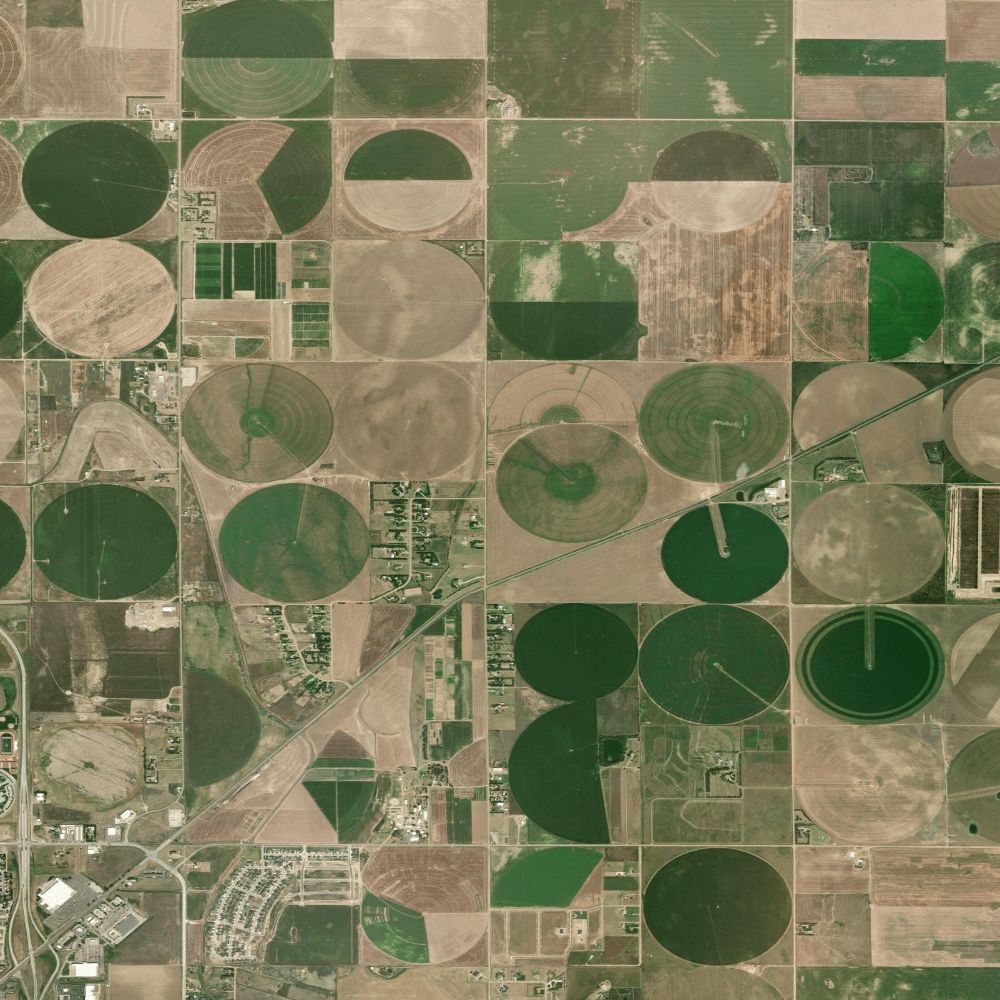
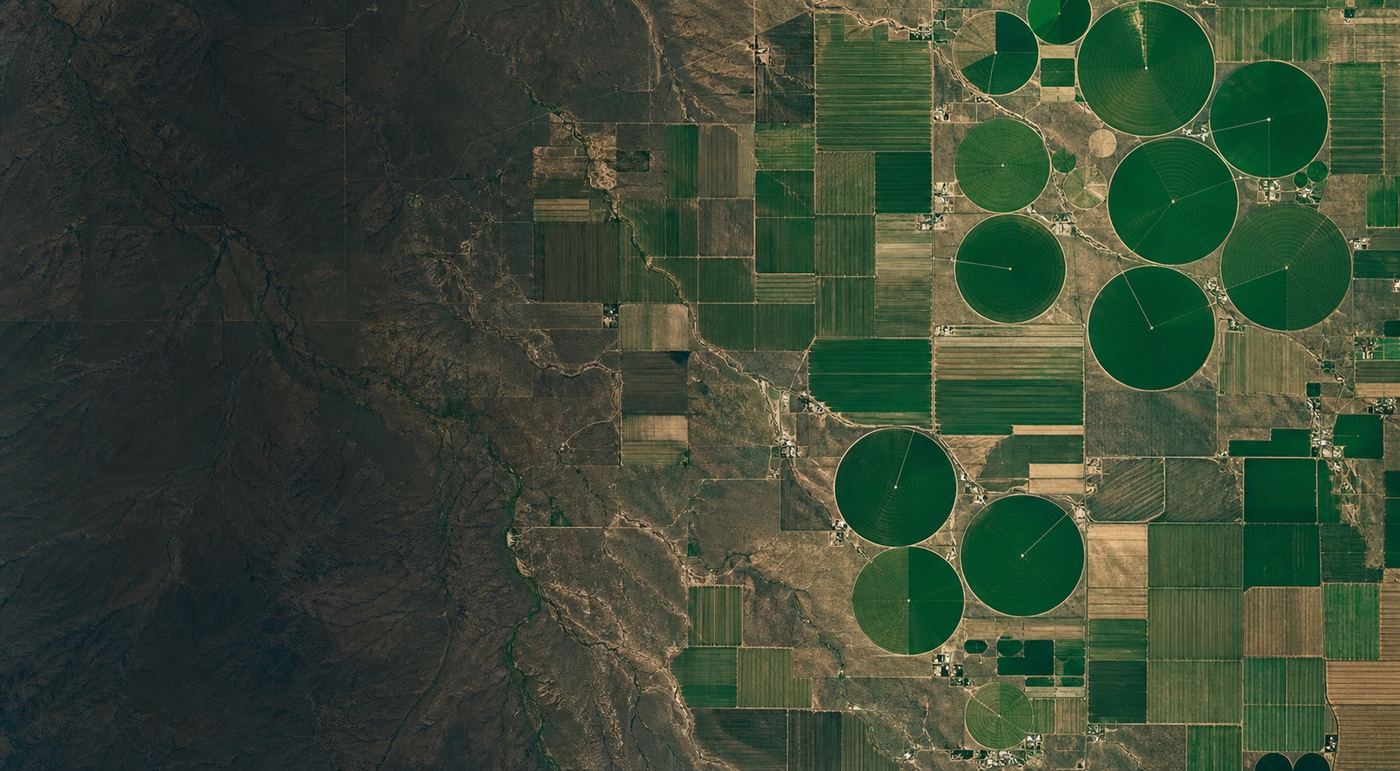
What am I actually looking at?
A listing photo or parcel map rarely explains field activity, visible variability, or what should be verified next.
For farmland brokers, managers, consultants, appraisers, and inspection teams
CropLens reviews public satellite imagery and returns a concise PDF packet with visible field patterns, areas to verify, practical follow-up questions, and clear limits on what satellite data cannot prove.
No GIS setup. No subscription required. Human-reviewed.
Not a valuation, crop diagnosis, yield forecast, or inspection replacement.
Why this gets used
A listing photo or parcel map rarely explains field activity, visible variability, or what should be verified next.
A simple satellite appendix helps show what was reviewed and gives the next questions for the operator.
Visible lower-signal areas can become pre-visit check points instead of a vague instruction to inspect the whole property.
What you receive
The packet is built to support a conversation, not overwhelm the buyer with raw GIS layers or make risky claims.
RGB satellite view and vegetation signal packaged into a clean visual appendix.
Lower-signal zones, visible variability, and exact questions to check with the owner, tenant, operator, buyer, or field team.
Clear notes on what the imagery can support and what still requires local records, local field review, water/lease context, or professional judgment.
Use cases by segment
Add a credible visual appendix to buyer packets and answer: what is visible, what is uncertain, and what should be verified before the next call.
Give landowners visual field context with questions for the tenant/operator, instead of a generic status paragraph.
Prioritize where to look first before a field visit. The packet points to visible zones, not causes or input recommendations.
Add factual, non-valuation satellite context to a rural property file while keeping appraisal conclusions completely separate.
Turn a site visit into a sharper checklist: which areas to photograph, what to ask, and where satellite data stops.
Trust comes from restraint
CropLens is built as a practical evidence layer for work your team already does. It improves the next question; it does not replace the professional decision.
Every packet is reviewed for visible patterns, source/date notes, and practical limitations before delivery.
The output is not a mysterious land score. It is a readable appendix with visuals, observations, and questions to verify.
No valuation support, no crop diagnosis, no yield forecast, no water-rights claim, no inspection replacement.
Pilot workflow
A public listing link or approximate field location is enough for the first scope check.
We check visible patterns, likely usefulness, limitations, and the questions your segment needs.
Use it in a buyer packet, owner update, pre-scouting note, file memo, or pre-visit checklist.
Sample packets
Paid pilot
Send a listing, parcel, or field boundary. If satellite context can help, CropLens returns a client-ready packet in 48 hours. If the imagery is not useful, we say that plainly.